
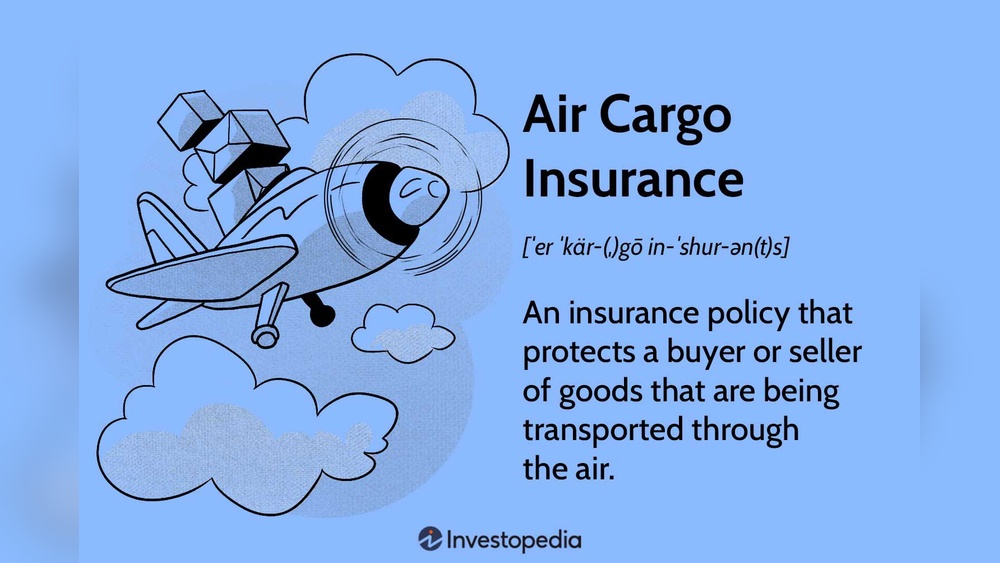
Imagine shipping your valuable goods only to face unexpected damage or loss along the way. How would you recover from that setback?
This is where a Cargo Insurance Policy steps in as your safety net. It protects your shipments from risks like theft, accidents, and natural disasters, ensuring you don’t bear the full financial burden. Whether your cargo travels by land, sea, or air, having the right coverage can save you from costly surprises.
Ready to learn how cargo insurance works and why it’s essential for your business? Keep reading to discover everything you need to secure your shipments and peace of mind.

Credit: www.dochub.com
Cargo Insurance Basics
Cargo insurance is essential for anyone shipping goods. It offers protection against financial loss. This loss can happen during transit. Understanding cargo insurance basics helps you safeguard your shipments. It ensures your goods reach safely and you avoid unexpected costs.
This section explains what cargo insurance is, why it is important, and the transport modes covered.
Definition And Purpose
Cargo insurance protects goods during transportation. It covers loss or damage to the cargo. These risks include theft, accidents, and natural disasters. The policy compensates for financial loss. It helps businesses and individuals avoid heavy losses. It covers goods from the point of origin to delivery.
Importance In Shipping
Shipping involves many risks beyond control. Carriers have limited liability for lost or damaged goods. Without insurance, the shipper bears all costs. Cargo insurance reduces financial risks linked to shipping. It provides peace of mind and financial security. It supports smooth trade and business operations.
Modes Of Transport Covered
Cargo insurance covers multiple transport methods. Goods transported by sea, air, road, or rail can be insured. It protects shipments during loading, transit, and unloading. Policies can cover single or multiple legs of a journey. This flexibility suits various shipping needs and routes.
Coverage Details
Cargo insurance policies provide detailed protection for goods during transit. Understanding the coverage details helps in selecting the right policy. These policies cover physical damage, financial risks, and various transit stages. They ensure your cargo remains protected throughout the shipping process.
Physical Loss And Damage
This coverage protects against damage or loss of goods. It includes accidents, natural disasters like storms and floods, theft, fire, and piracy. Physical loss can happen during loading, unloading, or transit. The policy helps recover costs for damaged or lost cargo.
Financial Risk Protection
This aspect covers financial losses due to delays or disruptions. Costs like extra storage, rerouting, or demurrage charges fall under this protection. It safeguards your business from unexpected expenses caused by transit issues. This coverage is essential for managing risks beyond physical damage.
Coverage During Transit Stages
Cargo insurance covers multiple transit phases. This includes loading, transportation, unloading, and temporary storage. Policies apply to all transport modes: air, sea, rail, and road. Coverage ensures your goods remain protected throughout the entire shipping journey.
Exclusions In Policies
Cargo insurance policies protect goods during transit but have specific exclusions. Understanding these exclusions helps avoid surprises when filing claims. Not all types of losses qualify for coverage under a cargo insurance policy. Knowing what is not covered ensures better risk management and preparation.
Losses Due To Delay
Delays in shipping can cause financial loss or damage. Cargo insurance policies usually exclude losses caused by delay. This means if your shipment arrives late and spoils or causes extra expenses, the insurer may not pay. Delay-related losses can happen due to weather, customs, or strikes. It is important to plan for potential delays outside of insurance coverage.
Inherent Vice And Packaging Issues
Inherent vice refers to damage caused by the nature of the goods themselves. For example, fruits spoiling or metal rusting during transit. Cargo insurance policies exclude losses from inherent vice. Packaging problems also lead to exclusions. If goods are packed poorly or incorrectly, damage caused by this is not covered. Proper packaging is essential to prevent uncovered losses.
Types Of Cargo Insurance
Cargo insurance offers different types of coverage to protect goods during transit. Choosing the right type depends on the nature of the cargo and the risks involved. Each type covers specific risks and helps reduce financial loss from damage or theft.
All Risks Coverage
All Risks Coverage offers broad protection for cargo. It covers physical loss or damage from any cause except those specifically excluded. This type includes risks like theft, accidents, natural disasters, and fire.
It is the most comprehensive type of cargo insurance. It protects goods throughout the entire transit, from loading to delivery. This coverage suits high-value or fragile items needing maximum security.
Named Perils Coverage
Named Perils Coverage protects against only the risks listed in the policy. Common perils include fire, theft, collision, and storm damage. If a loss occurs from an unlisted risk, the claim is not covered.
This type is usually cheaper than All Risks Coverage. It works well for cargo with lower risk or when specific dangers are a concern. Careful review of the named perils list is crucial before purchasing.
Choosing The Right Policy
Selecting the right cargo insurance policy is vital for protecting your shipment. Each shipment has unique needs and risks. Understanding these factors helps find a policy that fits your cargo’s value and vulnerability. A well-chosen policy ensures financial security during transit and peace of mind.
Careful consideration of your shipment’s specifics leads to better coverage. Avoid underinsurance or overpaying for unnecessary protection. Let’s explore key steps to choose the best cargo insurance policy.
Assessing Shipment Value
Start by determining the total value of your goods. Include the cost of the items, packaging, and shipping fees. Accurate valuation prevents gaps in coverage. Underestimating value may cause claim denial or partial payment. Overestimating leads to higher premiums without extra benefit.
Consider the replacement cost, not just the purchase price. Think about the market value at delivery time. This step sets a solid base for your insurance amount.
Evaluating Risk Factors
Identify risks that could affect your cargo during transit. Think about theft, accidents, weather damage, and delays. Each transport mode—sea, air, road—has different dangers. Also, consider the shipping route and storage conditions.
Understand the likelihood and impact of these risks. Higher risk means you might need broader or specialized coverage. This evaluation helps tailor your policy to real threats your shipment faces.
Carrier Liability Limits
Know your carrier’s liability limits before buying insurance. Carriers often have limited responsibility for loss or damage. These limits vary by transport type and contract terms. Insurance covers gaps beyond what the carrier pays.
Compare liability limits with your shipment’s value. If limits are low, higher insurance coverage is necessary. This ensures full protection in case of loss. Checking these limits avoids surprises during claims.
Benefits Of Cargo Insurance
Cargo insurance provides essential benefits for businesses shipping goods. It protects valuable items during transit and reduces financial risks. Understanding the advantages helps companies secure their shipments better.
Financial Protection
Cargo insurance covers the cost of lost or damaged goods. It prevents large financial losses after accidents or theft. This protection helps businesses recover quickly without heavy expenses. It also ensures compensation for unexpected damages during transport.
Risk Mitigation
Shipping carries many risks like natural disasters and piracy. Cargo insurance reduces the impact of these risks on your business. It shares the burden of loss between the insurer and the owner. This lowers the chance of severe financial damage from unforeseen events.
Peace Of Mind
Knowing your cargo is insured brings confidence during shipping. You can focus on other business tasks without worry. This peace of mind improves decision-making and reduces stress. It allows smoother operations and better planning for future shipments.
How To Purchase Coverage
Purchasing cargo insurance coverage protects your goods during transit. The process involves choosing the right insurer, understanding the policy terms, and comparing quotes. Each step ensures your cargo receives proper financial protection against possible risks. This guide explains how to buy cargo insurance coverage efficiently and confidently.
Working With Insurers
Start by contacting insurance companies that specialize in cargo coverage. Talk to agents about your shipment details and risk concerns. A good insurer will explain options clearly and help tailor coverage to your needs. Trustworthy insurers provide transparent communication and support throughout the process.
Understanding Policy Terms
Read the policy carefully before buying. Know what risks are covered and what exclusions apply. Check coverage limits and deductibles. Understand how claims are handled and what documents you must provide. Clear knowledge of terms prevents surprises later and ensures your cargo is properly protected.
Obtaining Quotes
Request quotes from multiple insurers to compare prices and coverage. Provide accurate shipment details for precise estimates. Review each quote’s coverage scope and cost. Select the policy that offers the best balance between price and protection. Getting quotes helps you make an informed decision easily.

Credit: www.scribd.com
Claims Process
The claims process is an essential part of any cargo insurance policy. It ensures that you receive compensation if your goods get damaged or lost during transit. Understanding how to file a claim and what documents to provide helps speed up the process. Timely and correct filing can make a big difference in recovering your losses.
Filing A Claim
Start the claim by notifying your insurance provider quickly. Report any loss or damage as soon as you discover it. Most policies require claims to be filed within a specific time frame. Provide clear details about the incident and the cargo involved. Early reporting helps prevent delays in processing your claim.
Documentation Needed
Prepare all necessary documents before submitting the claim. Common documents include the insurance policy, bill of lading, and delivery receipts. Also, provide photographs or videos showing the damage. Include any police or incident reports if applicable. Accurate and complete documents help prove your claim and speed up approval.
Claim Settlement
After receiving your claim, the insurer will review all information carefully. They may send an adjuster to inspect the damaged goods. The insurer calculates the compensation based on the policy terms and value of the cargo. Once approved, the claim amount is paid to you or your business. Clear communication with the insurer can ensure a smooth settlement process.

Credit: www.scribd.com
Frequently Asked Questions
What Is A Cargo Insurance Policy?
A cargo insurance policy protects goods from financial loss due to damage, theft, or accidents during transit by land, air, or sea.
How Much Does $100,000 Cargo Insurance Cost?
Cargo insurance for $100,000 typically costs between $100 and $500 annually. Rates vary by cargo type, transit method, and coverage level.
How Much Is A $1,000,000 General Liability Policy?
A $1,000,000 general liability policy typically costs between $400 and $1,500 annually. Rates vary by industry, location, and business size.
What Is Not Covered In Cargo Insurance?
Cargo insurance does not cover losses from shipping delays, inherent vice, or damage caused by insufficient packaging.
Conclusion
Cargo insurance offers vital protection for goods during transit. It helps cover losses from damage, theft, or accidents. Choosing the right policy depends on your shipment type and risk level. Knowing what is covered and excluded avoids surprises later. Protect your cargo to reduce financial risks and ensure smooth delivery.
Always review terms carefully before buying a policy. Secure your shipments with proper cargo insurance for peace of mind.