
If you’re an employer or a business owner, understanding Employer Workers Insurance is crucial for protecting both your team and your company’s future. This type of insurance isn’t just a legal requirement in many places—it’s a safety net that keeps your workforce secure when unexpected injuries or illnesses happen on the job.
But how does it work? What are your responsibilities, and what options do you have? You’ll discover everything you need to know about Employer Workers Insurance, including how it can save you money, reduce risks, and create a healthier work environment.
Keep reading to make sure you’re fully prepared and informed.

Credit: www.embroker.com
Workers’ Compensation Basics
Workers’ compensation is a type of insurance that protects both employers and employees. It covers injuries or illnesses that happen at work. Understanding the basics helps businesses stay safe and follow the law. It also ensures employees get support when they need it.
What Workers’ Comp Covers
Workers’ compensation covers medical expenses for job-related injuries. It pays for doctor visits, hospital stays, and medicine. It also covers lost wages if the employee cannot work. Some plans include rehabilitation and disability benefits. This insurance does not cover injuries outside of work or caused by self-harm.
Texas Requirements And Exemptions
Texas does not require most private employers to have workers’ compensation insurance. However, some businesses must carry it by law, like construction companies. Employers can choose to opt out but then face certain legal risks. Government employees and some farmworkers have different rules. Knowing exemptions helps employers decide the best approach.
Benefits For Employers And Employees
Workers’ comp protects employers from lawsuits related to workplace injuries. It also helps them keep a safer work environment. Employees get quick access to medical care and financial support. It reduces stress by handling injury claims smoothly. Both sides benefit from clear rules and fair compensation.
Employer Responsibilities
Employers play a vital role in protecting their workers through proper insurance coverage. Understanding employer responsibilities helps ensure workplace safety and legal compliance. Meeting these duties reduces risks and supports injured employees during recovery.
Legal Obligations In Texas
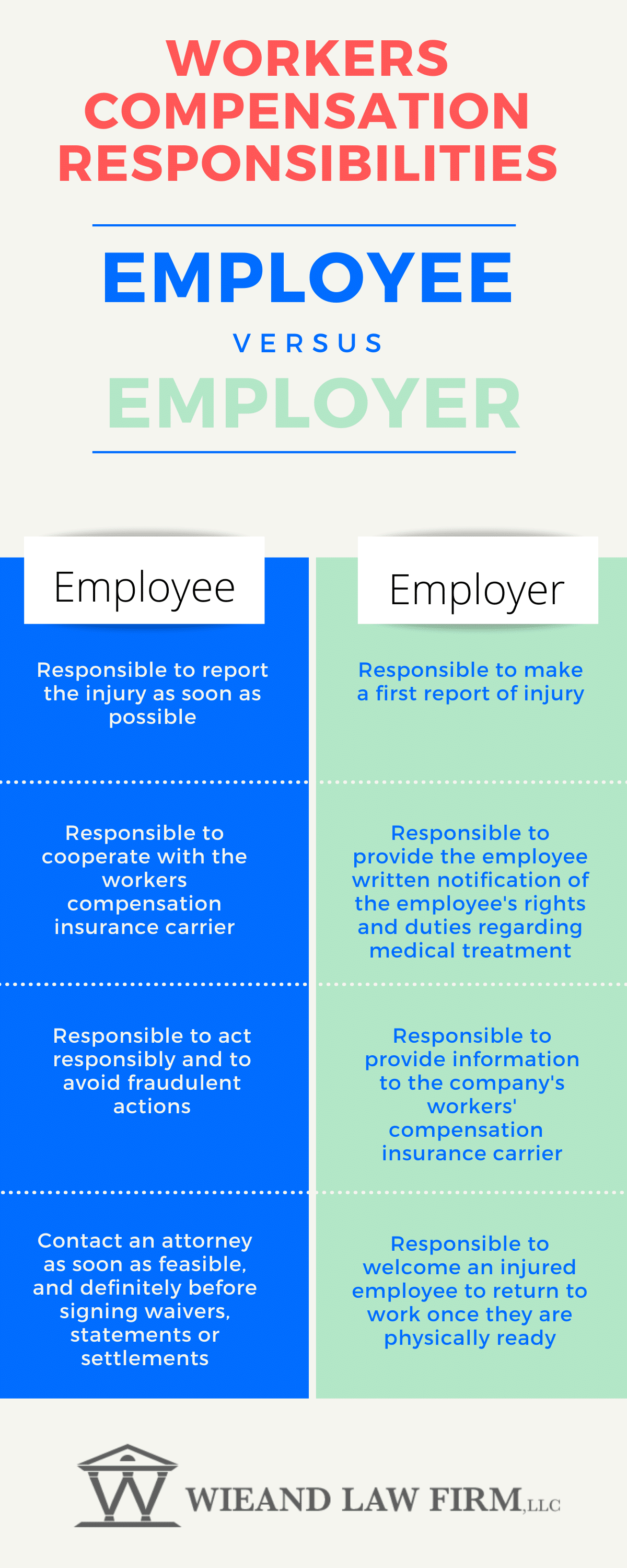
Texas employers must follow state laws on workers’ insurance. They must provide workers’ compensation coverage if they have three or more employees. This insurance covers medical costs and lost wages after workplace injuries. Employers must also inform employees about their rights and how to file claims.
Reporting Workplace Injuries
Employers must report workplace injuries quickly. They need to notify their insurance carrier within a set time frame. This helps injured workers get medical care and benefits fast. Proper injury reporting also avoids fines and legal issues for the employer.
Maintaining Compliance
Staying compliant means keeping insurance policies up to date. Employers should review coverage annually and renew on time. They must also keep accurate injury and claim records. Training staff about safety and insurance rules helps prevent violations and promotes a safe workplace.
Types Of Employer Insurance
Employer workers insurance includes several types of coverage to protect businesses and their employees. Understanding the options helps employers select the best plan for their workforce. Each type of insurance offers different benefits and costs. This section explains the main types available.
Fully-insured Plans
Fully-insured plans are purchased from insurance companies. Employers pay fixed premiums to the insurer. The insurer handles claims and risk. These plans offer predictable costs and less administrative work. They are ideal for small to medium businesses. The insurer assumes financial risk for employee claims.
Self-insured Options
Self-insured plans mean employers pay claims directly. Employers take on the financial risk. These plans require more management and resources. They can save money if claims are low. Large companies often choose this to control costs. Stop-loss insurance is common to limit large claims.
Choosing The Right Coverage
Choosing the right insurance depends on business size and budget. Consider risk tolerance and administrative capacity. Smaller businesses often prefer fully-insured plans for simplicity. Larger firms may benefit from self-insuring to reduce costs. Consulting with insurance experts helps make informed decisions.
Credit: www.wieandlaw.com
Cost Factors
Understanding the cost factors of employer workers insurance helps businesses manage expenses. Several elements influence the price. These factors determine how much employers pay for coverage. Knowing them aids in better budgeting and risk control.
Premium Calculations
Premiums depend on payroll size and job risk levels. Insurers calculate rates based on claims history and workplace hazards. Higher risk jobs often face higher premiums. Insurers assess how often injuries occur in your business.
Experience modification rates also affect premium amounts. A safer workplace can lower this rate. Premiums balance the cost of potential claims and administrative fees.
Impact Of Business Size And Industry
Large businesses usually pay higher total premiums due to more employees. Small companies might have higher rates per employee. Industry type matters because some fields are riskier. Construction and manufacturing often have higher premiums.
Office-based businesses tend to pay less than heavy industry. The nature of work influences injury likelihood. Insurance providers adjust costs to reflect these risks.
Risk Management Strategies
Implementing safety programs can reduce insurance costs. Training employees and maintaining equipment lowers injury chances. Fewer claims mean better premium rates over time.
Regular workplace inspections help identify hazards early. Good risk management shows insurers your commitment to safety. This can result in discounts or lower rates.
Benefits Of Coverage
Employer workers insurance offers crucial benefits for businesses and employees alike. This coverage helps manage risks and ensures support during workplace injuries. Understanding these benefits highlights its value for every employer.
Protecting Business Assets
This insurance protects a business from costly lawsuits and claims. It covers medical expenses and lost wages for injured workers. Without it, a business might face severe financial strain. Insurance helps maintain business stability and reputation.
Supporting Employee Recovery
Workers receive timely medical care and financial support after injuries. This coverage aids faster recovery and return to work. Employees feel more secure knowing help is available. It reduces stress and promotes a positive workplace environment.
Enhancing Workplace Safety
Insurance encourages employers to improve safety measures. Safer workplaces reduce accidents and claims over time. Employers may receive safety training and resources from insurers. This leads to healthier employees and lower insurance costs.
Credit: www.kff.org
Health Insurance Vs Workers’ Comp
Understanding the difference between health insurance and workers’ compensation is essential for both employers and employees. These two types of coverage serve distinct purposes and provide different kinds of protection. Health insurance covers general medical needs, while workers’ comp focuses on injuries related to the workplace. Knowing how they differ helps in managing benefits and expectations effectively.
Differences In Coverage
Health insurance covers routine medical care like doctor visits and prescriptions. It also includes preventive services and treatment for illnesses. Workers’ compensation only covers injuries or illnesses caused by job duties. It pays for medical bills, rehabilitation, and lost wages due to work-related accidents. Health insurance does not cover workplace injuries, and workers’ comp does not cover non-work-related health issues.
Employer Contributions
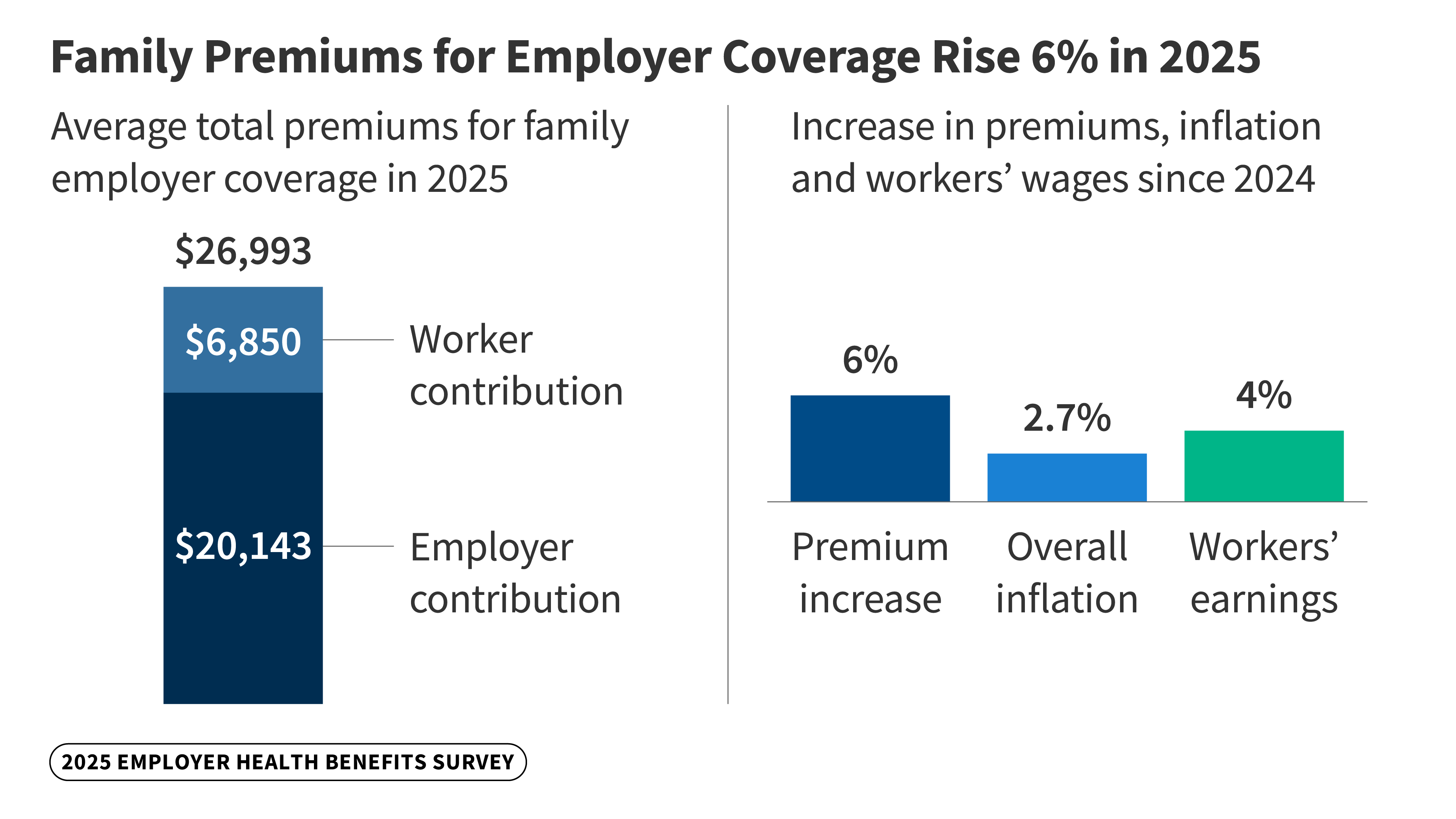
Employers often pay a large part of health insurance premiums. Employees usually pay the rest through payroll deductions. For workers’ comp, employers pay the full cost as a legal requirement. This cost varies based on the type of work and claims history. Employers cannot ask employees to pay for workers’ comp insurance.
Employee Eligibility
Most full-time employees qualify for employer health insurance. Part-time workers may have limited or no access. Workers’ compensation coverage applies to all employees by law, regardless of hours worked. This includes part-time, temporary, and seasonal workers. Employees must report injuries promptly to receive workers’ comp benefits.
Navigating Claims Process
Navigating the claims process for Employer Workers Insurance can feel complex. Understanding each step helps reduce stress. Employers and employees both play key roles in managing claims efficiently. Clear communication and timely action lead to smoother outcomes. This section breaks down the main parts of the claims process.
Filing A Claim
The first step is filing a claim promptly after an injury. The employee should inform the employer as soon as possible. The employer then reports the injury to the insurance company. Detailed and accurate information speeds up claim approval. Paperwork must be complete and submitted within required deadlines. Keep copies of all documents for your records.
Handling Disputes
Disputes can arise if claim details are unclear or denied. Both parties should review the claim facts carefully. Requesting additional evidence or medical reports may help resolve issues. Mediation or legal advice can assist if disagreements continue. Staying calm and cooperative improves chances of fair resolution. Timely response to dispute notices is essential.
Return-to-work Programs
Return-to-work programs help injured employees rejoin work safely. These programs offer modified duties or reduced hours as needed. Employers benefit from retaining experienced workers and lowering costs. Employees regain income and a sense of normalcy faster. Clear plans and communication make these programs successful. Both sides should actively participate in the process.
Choosing Providers In Austin, Texas
Choosing the right Employer Workers Insurance provider in Austin, Texas matters. Employers need coverage that fits their business size and industry. Insurance options vary widely here. Finding a provider with local knowledge helps with claims and regulations. This section breaks down key steps to pick the best provider for your needs.
Local Insurance Companies
Austin has many insurance companies that specialize in workers insurance. Local companies understand Texas laws and rules well. They offer quick support and easier communication. Choosing a nearby provider means faster claim processing. Local insurers often provide tailored plans for Austin businesses. They know the risks common in this area.
Comparing Plans
Different insurance plans offer various benefits and prices. Compare coverage limits, premiums, and deductibles carefully. Look at what injuries and illnesses the plan covers. Check if the plan includes rehabilitation and legal support. Compare how each plan handles claims and disputes. Choose a plan that balances cost and coverage.
Working With Brokers
Insurance brokers help employers find the right workers insurance. They have access to many providers and plans. Brokers explain complex insurance terms in simple words. They save time by doing the research for you. A good broker can negotiate better rates. Brokers help you understand the fine print before signing.
Future Trends
The future of Employer Workers Insurance holds important changes. These changes will affect employers, employees, and insurers alike. Staying informed helps businesses adapt and protect their workforce effectively.
Regulatory Changes
Governments continue to update workers insurance laws. These changes aim to improve coverage and safety for workers. Employers must stay current with new regulations. Compliance avoids penalties and ensures fair treatment of employees. Expect more focus on mental health and remote work risks.
Technology In Claims Management
Technology is transforming claims processing. Digital tools speed up claim approvals and reduce errors. Artificial intelligence helps detect fraud and predict claim outcomes. Mobile apps allow workers to file claims easily. These innovations save time and improve the user experience for all parties.
Evolving Employer Strategies
Employers are changing how they manage workers insurance. They focus on prevention and early intervention to reduce claims. Wellness programs and safety training are becoming common. Employers also explore self-insurance to control costs. Flexible policies tailored to diverse workforces gain popularity.
Frequently Asked Questions
How Does Employer Health Insurance Work?
Employer health insurance is a group plan where employers and employees share premium costs. Employers usually pay most premiums, and employees pay the rest through pre-tax payroll deductions. Employees choose plans during enrollment. Large employers must offer affordable coverage to full-time workers under the ACA to avoid penalties.
Is Workers’ Comp Insurance Required In Tx?
Texas does not require employers to carry workers’ comp insurance. However, many choose to provide it for employee protection and legal benefits.
How Does Workman’s Comp Work In Nebraska?
Nebraska’s Workers’ Comp covers medical costs and lost wages for work injuries. Employers must carry insurance or self-insure. Injured workers report claims promptly. Benefits include medical care, disability payments, and rehabilitation. The system aims to protect employees and limit employer liability.
How Much Do Employers Pay For Workers’ Comp?
Employers pay workers’ comp premiums based on payroll size, job risks, and claims history. Costs vary widely by state and industry.
Conclusion
Employer workers insurance protects both businesses and employees from unexpected costs. It ensures workers receive care after job-related injuries or illnesses. Employers must choose plans that fit their budget and staff needs. Clear communication helps employees understand their coverage and benefits.
Staying informed about insurance rules keeps businesses compliant and secure. Offering good insurance builds trust and supports a healthy workplace. Choose wisely to balance cost and protection for everyone involved.