
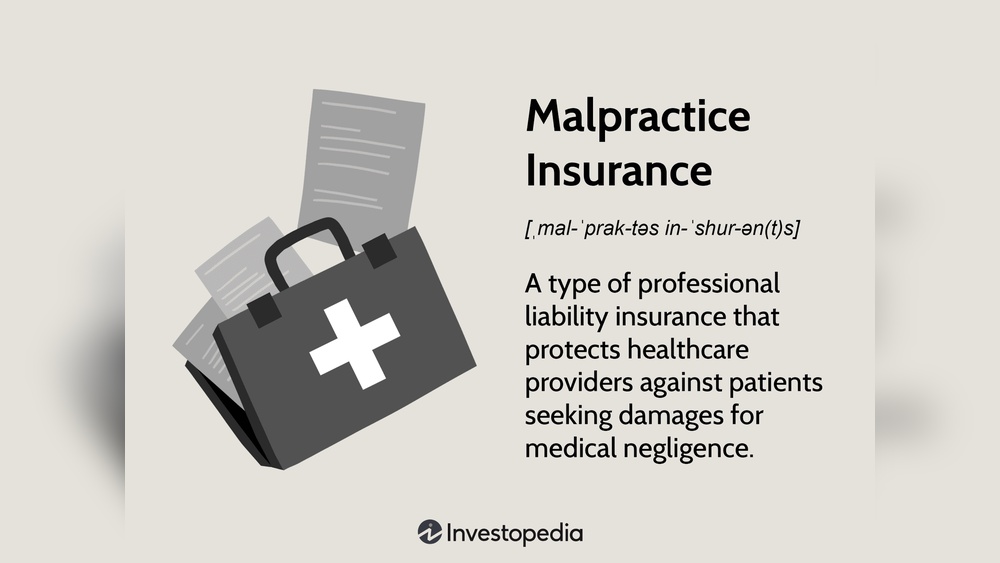
If you’re a physician in Austin, Texas, understanding physician malpractice insurance isn’t just important—it’s essential. This type of insurance protects you from the financial risks that come with lawsuits and legal claims related to your medical practice.
Without it, your career, savings, and peace of mind could be at serious risk. But how much does malpractice insurance cost? What factors affect your premiums? And how can you find the right coverage that fits your needs? Keep reading to get clear answers and practical tips that will help you secure the protection you deserve—so you can focus on what matters most: your patients.

Credit: aleragroup.com
Malpractice Insurance Basics
Understanding the basics of malpractice insurance helps physicians protect their careers. This insurance guards doctors against claims of negligence or mistakes during patient care. It is essential to know what the insurance covers, who needs it, and the types of policies available.
What It Covers
Malpractice insurance covers legal costs from lawsuits filed by patients. It pays for defense fees, settlements, and judgments. Claims may involve errors, omissions, or failure to diagnose. This coverage also protects against claims of injury or harm caused by medical treatment. It does not cover intentional wrongdoing or criminal acts.
Who Needs It
Every practicing physician needs malpractice insurance. It is crucial for doctors in private practice, hospitals, and clinics. Surgeons and specialists face higher risks and may require more coverage. Even new doctors or residents should have protection. Insurance safeguards income and professional reputation from costly lawsuits.
Types Of Policies
There are two main types of malpractice insurance policies. Claims-made policies cover incidents reported during the policy period. Occurrence policies cover incidents that happen while the policy is active, even if reported later. Some policies offer tail coverage for claims after retirement or policy expiration. Choosing the right type depends on career stage and risk level.
Cost Factors
Physician malpractice insurance costs vary widely. Multiple factors influence the price. Understanding these can help doctors prepare financially and choose the right policy.
Specialty Risk Levels
Some medical specialties face higher risks of malpractice claims. Surgeons and anesthesiologists often pay more than family practitioners. High-risk specialties deal with complex procedures and emergencies. This increases the chance of lawsuits. Insurers charge higher premiums for these specialties to cover potential claims.
Geographic Influence
Location affects malpractice insurance costs significantly. States with more lawsuits usually have higher premiums. Urban areas may cost more than rural ones due to patient volume. Local laws and court systems also impact pricing. Doctors practicing in high-risk states face steeper insurance costs.
Claims History Impact
Past claims influence current insurance rates. Doctors with a history of lawsuits pay higher premiums. Insurance companies view them as riskier clients. Even a single claim can raise costs. Maintaining a clean record helps keep premiums lower over time.
Policy Coverage Details
The type and amount of coverage affect costs. Higher coverage limits lead to higher premiums. Additional protections like tail coverage increase prices too. Policies with broader coverage cost more but offer better security. Doctors must balance coverage needs with budget constraints.
State-by-state Variations
Physician malpractice insurance costs differ widely across the United States. Each state has unique laws, risk levels, and claim trends. These factors shape the price doctors pay for coverage. Understanding these variations helps physicians choose the right policy for their location.
Some states have much higher premiums due to frequent lawsuits or strict legal rules. Others offer more affordable rates with fewer claims and less litigation risk. The market in Texas is especially interesting because of its size and recent legal changes.
High-cost States
States like California, New York, and Florida often have the highest malpractice insurance rates. These states face many claims and large jury awards. Courts may allow higher damage payouts, raising insurer risk.
Doctors in these states pay more to protect themselves. Special legal reforms have tried to reduce costs, but premiums remain high. Physicians in high-cost states must budget carefully for malpractice insurance.
Affordable Regions
Midwestern and some Southern states usually offer lower insurance costs. States such as Nebraska, Iowa, and Oklahoma have fewer claims and limits on damages. This creates a more stable environment for insurers.
Lower premiums make it easier for doctors to maintain coverage. Physicians in affordable regions can spend less on insurance and more on patient care.
Texas Market Overview
Texas is a large and diverse market for physician malpractice insurance. The state passed laws to cap damages and limit lawsuits. These reforms helped reduce premiums over time.
Despite improvements, rates vary by city and specialty. Urban areas like Houston and Dallas may have higher costs. Rural areas tend to see lower premiums. Texas physicians should compare policies carefully before choosing coverage.
Choosing The Right Policy
Choosing the right physician malpractice insurance policy is crucial for every doctor. The policy protects against legal claims and financial losses. Selecting a suitable plan requires careful thought and research. Understanding your specific needs and options helps ensure proper coverage.
Assessing Coverage Needs
Start by evaluating your medical practice type and size. Consider the risks tied to your specialty and procedures. Think about the number of patients and the location of your practice. More complex specialties often need broader coverage. Also, factor in your past claims history. This step helps identify the right coverage level.
Comparing Providers
Compare multiple insurance companies to find the best fit. Check their reputation and financial stability. Look for reviews from other physicians. Examine the customer service and claim handling process. Choose providers with clear terms and good support. Comparing options saves money and avoids surprises.
Understanding Policy Limits
Policy limits define the maximum payout for claims. There are two main types: per-claim limits and aggregate limits. Per-claim limits apply to each individual lawsuit. Aggregate limits cover all claims in a policy period. Choose limits that match your risk exposure. Higher limits offer more protection but cost more.
Claims And Legal Protection
Physician malpractice insurance offers crucial claims and legal protection. It safeguards doctors against lawsuits and financial losses from medical errors or negligence. Understanding how claims are handled, what legal defense coverage includes, and how claims affect future premiums helps doctors stay prepared and protected.
How Claims Are Handled
When a patient files a claim, the insurance company reviews the case carefully. They investigate the facts and medical records. Most claims settle out of court to avoid long trials. If the claim goes to court, the insurer manages the legal process. Doctors must notify their insurer immediately after a claim arises. Prompt reporting helps speed up claim resolution.
Legal Defense Coverage
The insurance covers the cost of legal defense, including lawyers and court fees. This coverage often applies even if the claim is false or unfounded. Having legal defense coverage reduces the financial burden on doctors. Insurers usually hire experienced attorneys who specialize in medical malpractice cases. This support helps doctors focus on their patients, not legal worries.
Impact On Future Premiums
Claims can affect future insurance premiums. Each claim signals a higher risk to insurers. After a claim, premiums may increase at renewal time. The size and frequency of claims influence the premium rise. Maintaining a clean claims history helps keep costs lower. Choosing the right policy and insurer can minimize premium impacts.

Credit: palmerinjurylaw.com
Industry Trends
The physician malpractice insurance industry is evolving quickly. New challenges and solutions are shaping the market. Staying updated helps physicians protect their careers and practices effectively.
Emerging Risks
New medical technologies create fresh risks. Telemedicine, for example, adds legal concerns about patient privacy. Increased patient expectations also raise the chance of claims. Physicians must understand these risks to choose the right coverage.
Policy Innovations
Insurers now offer more flexible policies. Customized coverage fits different specialties and practice sizes. Some policies include risk management support to reduce claims. These changes help doctors get better protection at fair prices.
Physician-owned Insurers
More doctors form or join physician-owned insurers. These companies focus on the unique needs of physicians. They often provide lower costs and better service. Trust and shared experience make these insurers attractive to many doctors.
Additional Resources
Exploring additional resources can help physicians better understand malpractice insurance. These resources provide valuable insights and practical guidance. Using them helps doctors find the best coverage and reduce risks.
Where To Get Quotes
Many websites offer free quotes for physician malpractice insurance. Comparing quotes helps find affordable rates. Insurance companies, brokers, and online platforms provide this service. Accurate information about your practice ensures better quotes.
Professional Associations
Professional associations support doctors with insurance advice. They often offer group insurance plans at lower costs. Associations also share updates on legal changes and industry news. Joining one adds credibility and access to expert resources.
Risk Management Tips
Risk management reduces the chance of malpractice claims. Simple steps include clear patient communication and thorough documentation. Following protocols and continuing education improves safety. Many insurers provide risk management tools and training for doctors.

Credit: www.gallaghermalpractice.com
Frequently Asked Questions
How Much Is Malpractice Insurance For Doctors In The Usa?
Malpractice insurance for doctors in the USA typically costs between $7,500 and $200,000 annually. Costs vary by specialty, location, and claims history. High-risk specialties pay more. Coverage limits and state regulations also affect premiums. Most general practitioners pay around $10,000 to $20,000 per year.
Do Doctors Have Insurance For Malpractice?
Yes, doctors carry medical malpractice insurance to protect against lawsuits and legal claims from patients.
How Much Does A $1,000,000 Liability Insurance Policy Cost?
A $1,000,000 liability insurance policy typically costs between $400 and $1,500 annually. Prices vary by industry, location, and risk factors. Businesses in high-risk sectors or with past claims pay higher premiums. Coverage specifics and business size also influence the final cost.
How Much Does The Average Doctor Pay For Malpractice Insurance?
The average doctor pays between $7,500 and $20,000 annually for malpractice insurance. Costs vary by specialty and location.
Conclusion
Physician malpractice insurance offers crucial protection for doctors. It helps cover legal costs and damages from lawsuits. Choosing the right policy depends on specialty, location, and risk level. Affordable coverage can reduce financial worries. Staying informed about insurance options keeps doctors prepared.
Protecting your career ensures peace of mind in medical practice.