
Are you wondering if whole life insurance is a smart choice for you? It’s a topic many people find confusing because whole life insurance promises both lifelong protection and a way to build cash value.
But is it really worth the higher cost compared to other options like term life insurance? Before you commit your hard-earned money, it’s important to understand the good and the bad. This article will help you see how whole life insurance might fit your unique situation—or why it might not.
By the end, you’ll have a clear picture to decide if whole life insurance is truly a benefit or a burden for your financial future. Keep reading to find out!
Whole Life Insurance Basics
Understanding the basics of whole life insurance helps you decide if it fits your needs. This type of insurance offers lifelong protection and can serve as a financial tool. It differs from term insurance and has unique features worth knowing.
Whole life insurance combines death benefits with a savings element. It guarantees coverage as long as premiums are paid. This makes it different from policies that only last for a set time.
Permanent Vs Term Coverage
Whole life insurance provides permanent coverage for your entire life. Term insurance covers only a specific period, like 10 or 20 years. If you outlive a term policy, it ends without value. Permanent coverage offers continuous protection and peace of mind.
Cash Value Growth
Whole life policies build cash value over time. Part of your premium goes into this savings account. The cash value grows slowly but steadily, tax-deferred. You can borrow from it or use it for emergencies. Term insurance has no cash value component.
Premium Structure
Premiums for whole life insurance remain fixed and do not increase. They are higher compared to term insurance premiums. This is because whole life covers you for life and adds cash value. Term insurance premiums are lower but rise with age if renewed.
Drawbacks For Most People
Whole life insurance offers lifelong protection and a savings component. Yet, it has drawbacks that affect many buyers. These downsides can make it less suitable for most people. Understanding these limits helps in making a clear choice.
High Premium Costs
Whole life insurance premiums are much higher than term insurance. This is because it covers you for life. It also builds cash value over time. Many people find these costs hard to afford. Paying high premiums reduces money available for other needs.
Complex Policy Features
Whole life policies have many rules and terms. They include cash value, loans, and dividends. These features can confuse buyers. Understanding all details takes time and effort. Without clear knowledge, people may feel overwhelmed or make poor decisions.
Impact Of Early Policy Lapse
Stopping payments early can cause major losses. If the policy lapses, you lose coverage and cash value. The money paid in may not be fully returned. This risk makes whole life insurance less flexible. Many people struggle to keep up with payments long-term.
Benefits For Specific Needs
Whole life insurance offers benefits tailored to specific financial needs. It suits people seeking stability and long-term security. This type of insurance combines protection and savings in one plan. Understanding these benefits helps decide if whole life insurance fits your goals.
Lifelong Financial Protection
Whole life insurance covers you for your entire life. The policy does not expire like term insurance. Your family receives a death benefit whenever you pass away. This ensures financial support for your loved ones at any time.
This protection helps cover final expenses and debts. It also replaces lost income for your dependents. Lifelong coverage offers peace of mind beyond temporary policies.
Guaranteed Cash Value Growth
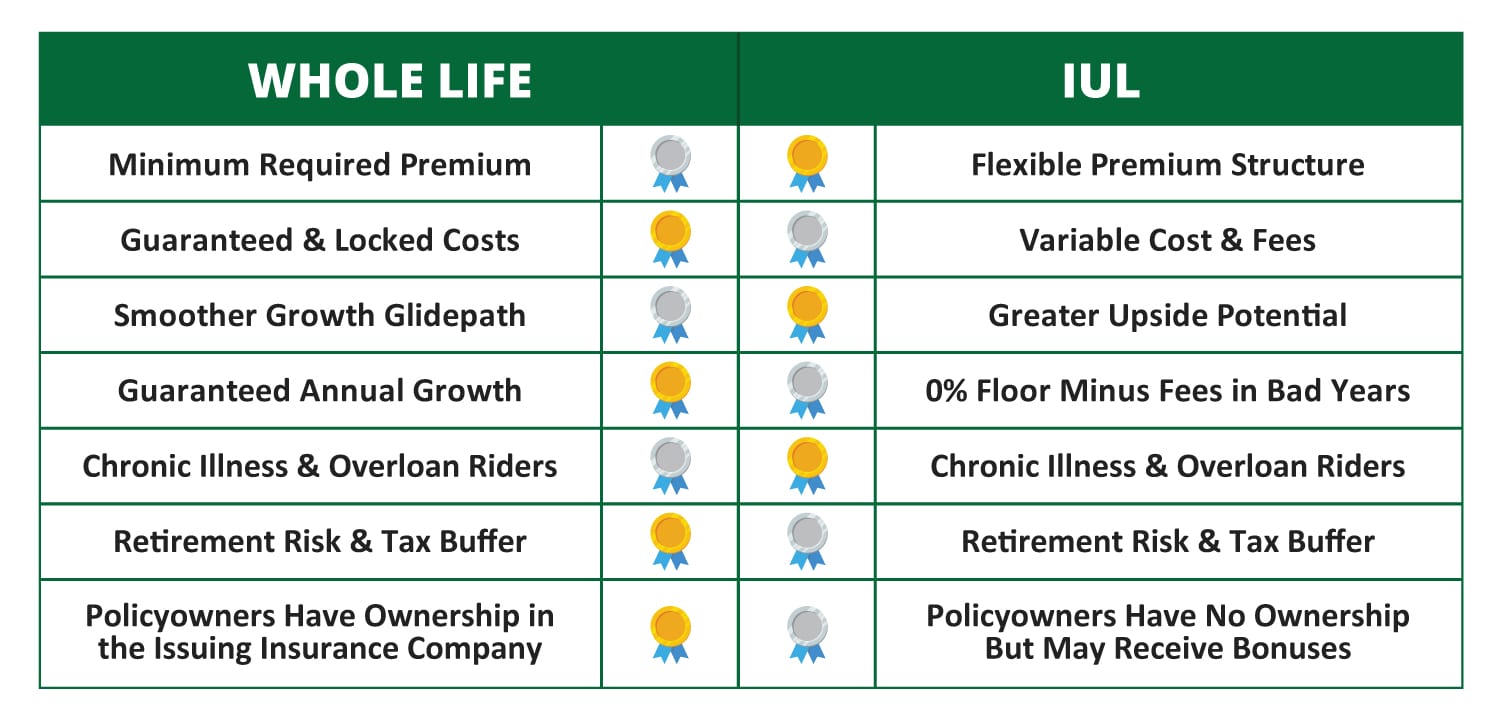
Whole life policies build cash value over time. This value grows at a guaranteed rate set by the insurer. You can borrow against this cash value if needed.
Cash value acts as a savings portion within your policy. It can help with emergencies or other financial needs. The steady growth adds a layer of financial flexibility.
Tax Advantages
Cash value grows tax-deferred, meaning no taxes on growth each year. Policy loans from cash value are usually tax-free. Death benefits are paid to beneficiaries income tax-free.
These tax features make whole life insurance attractive for long-term planning. They help keep more money in your family’s hands.
Estate Planning Uses
Whole life insurance helps with estate planning and wealth transfer. The death benefit can pay estate taxes and other expenses. This prevents the forced sale of assets after death.
It also helps leave money to heirs or charities. The policy creates a financial legacy for future generations. This use suits people wanting to protect their estate’s value.
Credit: bankingtruths.com
Investment Comparison
Comparing whole life insurance with other investments helps understand its value. It combines insurance protection with a savings element. This dual purpose sets it apart from many traditional investments.
Examining how it performs against stocks, bonds, or mutual funds shows the differences in growth and security. This insight guides decisions about using whole life insurance as part of financial planning.
Whole Life Vs Other Investments
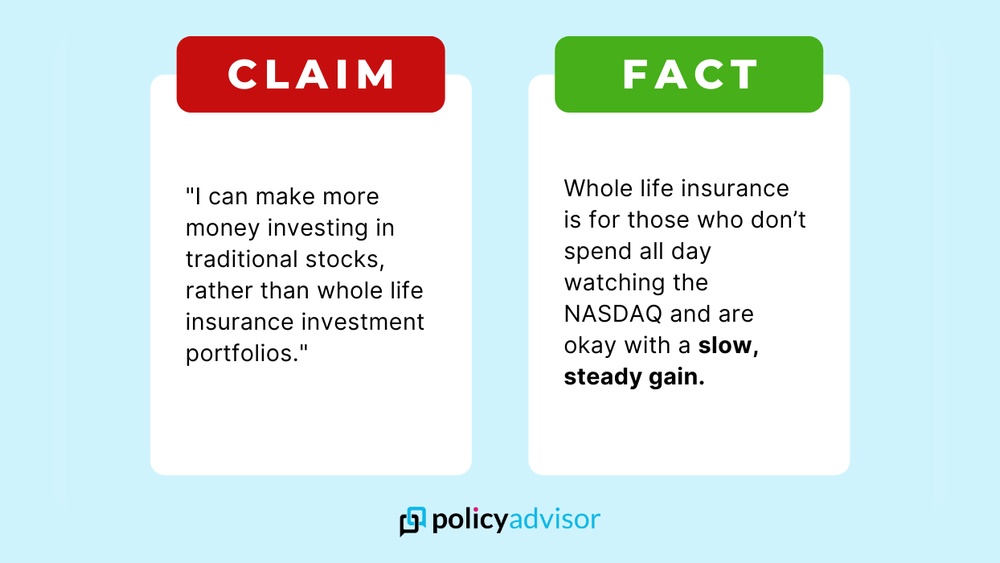
Whole life insurance offers a fixed cash value growth over time. Stocks and mutual funds may yield higher returns but carry more risk. Bonds provide steady income but with limited growth potential. Whole life insurance includes death benefits, unlike typical investments. Its premiums are higher due to lifelong coverage and savings components.
Risk And Return Considerations
Whole life insurance carries lower risk compared to stocks or mutual funds. It guarantees a minimum cash value and death benefit. Investment returns in whole life policies tend to be modest. Stocks can rise and fall sharply, offering higher potential returns with more risk. Bonds fall between stocks and whole life in terms of risk and return. Investors must balance safety with growth expectations.
Role In A Diversified Portfolio
Whole life insurance can add stability to an investment mix. It acts as a conservative asset with guaranteed benefits. Including it may reduce overall portfolio risk. Other investments offer growth and income that whole life cannot match. Using whole life insurance alongside stocks and bonds creates balance. This mix helps protect against market swings and supports long-term goals.
When To Consider Whole Life
Whole life insurance offers more than just a death benefit. It combines coverage with a savings component. Choosing whole life depends on personal financial situations and goals. Some people find it fits well with their long-term plans and unique needs.
High Income Earners
High income earners often face higher tax rates. Whole life insurance can help with tax advantages. The cash value grows tax-deferred over time. It provides a way to build wealth safely. This option suits those who want stable, long-term growth. It also helps protect assets for heirs.
Long-term Financial Goals
Whole life insurance works well for long-term goals. It offers guaranteed coverage for life, unlike term insurance. The policy builds cash value, which you can borrow against. This can support retirement income or emergencies. It is a steady, low-risk way to save. People planning far ahead may find it useful.
Special Family Needs
Families with special needs members often have extra expenses. Whole life insurance can provide financial security. It ensures funds are available for care and support. The policy’s cash value can help cover ongoing costs. It offers peace of mind for parents and caregivers. This coverage helps protect loved ones’ futures.

Credit: www.whitecoatinvestor.com
Professional Advice Importance
Choosing whole life insurance requires careful thought. Professional advice plays a key role in making smart decisions. Experts help you understand complex terms and options. They guide you through details that can feel overwhelming. Getting the right advice protects your financial future and ensures the policy fits your needs.
Working With Fiduciary Advisors
Fiduciary advisors act in your best interest. They must provide unbiased advice and full transparency. These advisors analyze your financial situation deeply. They recommend policies that truly match your goals. This trust builds confidence in your insurance choices.
Evaluating Policy Proposals
Policy proposals can be complicated and confusing. A professional helps you review terms and costs carefully. They explain fees, benefits, and cash value growth clearly. This careful evaluation prevents surprises and costly mistakes. Understanding details avoids regrets later on.
Avoiding Sales Pressure
Sales agents may push you to buy quickly. Professional advice helps you avoid rushed decisions. Advisors encourage you to take time and ask questions. They support thoughtful choices without pressure. This approach leads to better, more satisfying outcomes.

Credit: www.youtube.com
Frequently Asked Questions
What Are The Disadvantages Of Whole Life Insurance?
Whole life insurance has higher premiums than term life. It’s complex and costly if coverage lapses early. Cash value growth may be slow.
Is Whole Life Really Worth It?
Whole life insurance offers permanent coverage and builds cash value, benefiting long-term financial and estate planning. It suits those needing lifelong protection and wealth transfer. However, its higher premiums and complexity often make term life insurance a better fit for most people.
What Is The Catch Of The Whole Life Insurance?
The catch of whole life insurance lies in its high premiums, which fund lifelong coverage and cash value growth. This cost often exceeds term insurance for similar death benefits.
How Much A Month Is A $500,000 Whole Life Insurance Policy?
A $500,000 whole life insurance policy typically costs $300 to $700 monthly. Costs vary by age, health, and provider.
Conclusion
Whole life insurance suits some, but not all financial needs. It offers lifelong coverage and builds cash value slowly. Premiums stay fixed but cost more than term insurance. Some find it useful for estate planning or wealth transfer. Others prefer simpler, cheaper term policies for temporary protection.
Assess your goals and budget carefully before choosing. Talking with a trusted advisor can help clarify your best option. Whole life insurance is neither strictly good nor bad—just different. Choose what fits your life and future plans best.