
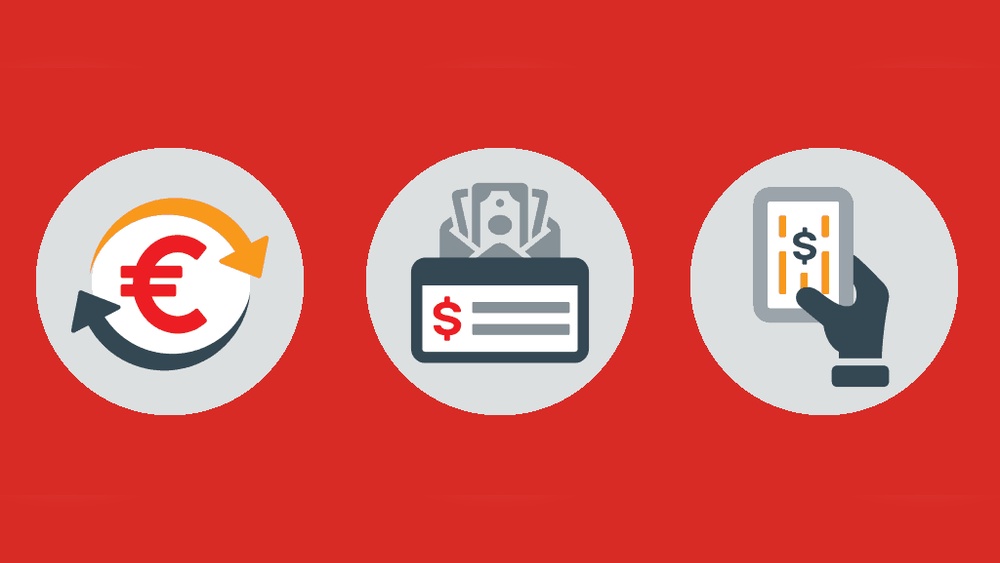
Are you curious about what exactly a Money Service Business (MSB) is and how it affects your financial transactions? Whether you’re planning to start one or just want to understand how these businesses operate, knowing the basics can save you time, money, and headaches.
A Money Service Business isn’t just a bank—it includes a wide range of services like money transmission, currency exchange, check cashing, and even virtual currency exchanges. Understanding what an MSB does and the rules it follows will help you navigate your financial choices with confidence.
Keep reading to discover what defines a Money Service Business, the types of services involved, and why compliance with regulations matters to you.
Money Service Business Types
A Money Service Business (MSB) covers various types of financial service providers. These businesses handle money transmission or currency conversion outside traditional banks. Understanding the different types helps clarify their roles and regulations. Each type serves a distinct function in the financial system.
Money Transmitters
Money transmitters send money or its equivalent for customers. They transfer funds domestically or internationally. These businesses include wire transfer services and online payment systems. They ensure money moves quickly and safely between parties.
Currency Dealers And Exchangers
Currency dealers buy and sell foreign currencies. They exchange one currency for another at set rates. These businesses help travelers and companies manage currency risks. They play a key role in global trade and travel.
Check Cashers
Check cashers provide a service to cash checks for customers. They offer quick access to funds without requiring a bank account. This service is useful for those who need immediate cash. Check cashers charge a fee for this convenience.
Issuers Of Payment Instruments
These businesses issue money orders, traveler’s checks, or stored value cards. Customers use these payment instruments as alternatives to cash. They offer a secure way to make payments or send money. Issuers ensure these instruments are trusted and accepted widely.
Sellers And Redeemers
Sellers and redeemers handle the sale or redemption of payment instruments. They sell money orders or traveler’s checks to customers. They also redeem these instruments for cash. This service supports payment flexibility and security.
Virtual Currency Operators
Virtual currency operators manage digital currencies like Bitcoin. They act as exchangers or administrators of these currencies. This type of MSB supports growing online and digital economies. They follow specific rules to prevent fraud and money laundering.

Credit: www.bankershub.com
Key Features Of Msbs
Money Service Businesses (MSBs) play a vital role in the financial system. They offer services that go beyond traditional banking. Understanding the key features of MSBs helps in grasping how they operate and stay compliant. These features shape how MSBs serve customers and follow regulations.
Non-bank Financial Institutions
MSBs are financial firms but not banks. They do not hold customer deposits like banks do. Instead, they focus on money transmission and currency exchange. Common MSBs include check cashers, currency exchangers, and money transmitters. These businesses provide essential services, especially for people without bank accounts.
Regulatory Oversight And Compliance
MSBs must follow strict rules to prevent illegal activities. In the U.S., the Financial Crimes Enforcement Network (FinCEN) regulates them. MSBs must comply with the Bank Secrecy Act (BSA). This includes reporting suspicious transactions and keeping detailed records. Compliance ensures the safety and legality of their operations.
Transaction Thresholds
MSBs follow specific transaction limits to monitor money flow. Transactions above certain amounts require reporting to authorities. These thresholds help detect fraud and money laundering. For example, cash transactions over $10,000 must be reported. Thresholds vary by type of transaction and service offered.
Regulations Impacting Msbs
Money Service Businesses (MSBs) operate in a highly regulated environment. These regulations aim to prevent money laundering, fraud, and other financial crimes. Understanding the key rules helps MSBs stay compliant and avoid penalties.
Regulations impact how MSBs conduct their business daily. They affect reporting, licensing, and operational procedures. Let’s explore the main regulations that shape the MSB industry.
Financial Crimes Enforcement Network (fincen)
FinCEN is a bureau of the U.S. Department of the Treasury. It enforces laws to combat money laundering and financial crimes. MSBs must register with FinCEN and follow its rules. This includes submitting reports on suspicious activities and large transactions. FinCEN helps track illegal money flows and protect the financial system.
Bank Secrecy Act (bsa)
The Bank Secrecy Act requires MSBs to keep detailed records of financial transactions. It sets reporting standards for cash transactions over a certain amount. MSBs must also implement anti-money laundering (AML) programs. These programs include customer identification and regular training. Compliance with the BSA reduces the risk of illegal use of financial services.
State Licensing Requirements
Each state has its own licensing rules for MSBs. Businesses must obtain licenses in every state they operate. Requirements vary but often include background checks and financial audits. States monitor MSBs to ensure they meet local laws. Proper licensing helps maintain trust and legal operation.
Common Challenges For Msbs
Money Service Businesses (MSBs) face many challenges daily. These challenges affect their operations and growth. Understanding these difficulties helps MSBs prepare and adapt effectively.
Compliance Burdens
MSBs must follow strict rules from financial authorities. These rules include reporting transactions and keeping detailed records. Compliance requires time and money. Many MSBs struggle to keep up with changing laws. Non-compliance risks heavy fines and legal trouble.
Fraud And Money Laundering Risks
MSBs are targets for fraud and money laundering schemes. Criminals use MSBs to hide illegal funds. Detecting suspicious activity is difficult and requires strong systems. MSBs need training and technology to spot and prevent fraud. Failure to do so harms their reputation and business.
Competitive Market Pressure
The MSB market is crowded with many players. Competition pushes MSBs to lower prices and improve services. Staying ahead means investing in technology and customer support. Smaller MSBs often find it hard to compete with larger firms. This pressure affects profitability and business survival.
Strategies To Boost Profitability
Boosting profitability in a Money Service Business requires smart planning and clear focus. Small changes can lead to big improvements in earnings. Concentrate on key areas like fees, services, technology, and customer care. These strategies help create steady growth and stronger client relationships.
Optimizing Transaction Fees
Set transaction fees that cover costs and attract customers. Study competitor pricing to find a fair balance. Offer tiered fees for different service levels. This approach encourages higher usage and loyalty. Regularly review fees to stay competitive and profitable.
Expanding Service Offerings
Add new services to meet customer needs and increase revenue. Consider options like bill payments, prepaid cards, or mobile wallets. Diverse services attract a wider audience. They also create multiple income streams. Train staff to handle new services efficiently.
Leveraging Technology And Automation
Use technology to speed up processes and reduce errors. Automated systems help manage transactions and compliance easily. Implement secure payment platforms for smooth customer experience. Technology lowers operational costs and boosts efficiency. Stay updated with the latest tools in the market.
Enhancing Customer Experience
Provide friendly and fast service to keep customers happy. Clear communication builds trust and encourages repeat business. Offer easy-to-understand information about fees and services. Create a welcoming environment with helpful staff. Positive experiences lead to good reviews and referrals.
Technology Trends In Msbs
Technology is reshaping how Money Service Businesses (MSBs) operate daily. New tools help MSBs serve customers faster and safer. They improve payment methods, compliance, and security. Staying updated with these trends is crucial for any MSB aiming to grow and compete.
Digital Payment Solutions
Digital payment solutions simplify money transfers and reduce cash handling. Mobile apps and online platforms allow customers to send and receive money instantly. These solutions also lower transaction costs and increase reach. MSBs benefit from faster processing times and better customer satisfaction.
Blockchain And Virtual Currency
Blockchain technology offers transparency and security for money transfers. It creates a public ledger that records transactions in real time. Virtual currencies, like Bitcoin, enable cross-border payments without traditional banks. MSBs using blockchain can reduce fraud risks and increase transaction speed.
Regtech For Compliance Management
RegTech uses software to help MSBs follow rules and regulations easily. It automates tasks like monitoring transactions and reporting suspicious activity. This reduces human error and saves time. RegTech tools help MSBs stay compliant with financial laws and avoid fines.
Building Trust And Reputation
Building trust and reputation is essential for any Money Service Business (MSB). Customers choose MSBs based on reliability and confidence. A strong reputation helps attract loyal clients and grow business steadily. Trust reduces customer hesitation and encourages regular use of services. This trust comes from managing risks, clear communication, and strict compliance with laws. Each element plays a key role in maintaining a positive image.
Effective Risk Management
Risk management protects the business from financial and legal problems. MSBs must identify potential risks like fraud and theft. Implementing controls limits these risks and safeguards assets. Staff training helps recognize suspicious activities early. Regular audits ensure policies work well and improve weak areas. A proactive approach to risk builds confidence among customers and regulators.
Transparent Customer Communication
Clear communication creates strong relationships with customers. MSBs should explain fees, processes, and timelines openly. Transparency helps customers understand services fully and avoid surprises. Providing easy access to information builds trust. Listening to customer feedback and resolving issues quickly shows care. Honest communication strengthens loyalty and reputation over time.
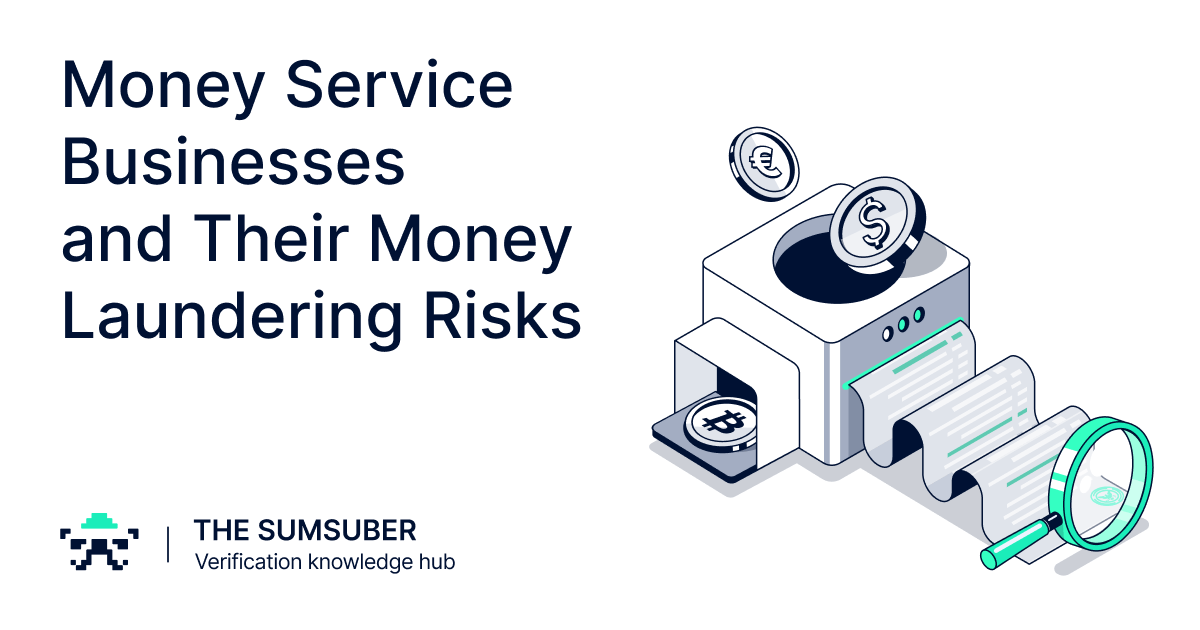
Strong Anti-money Laundering Programs
Anti-Money Laundering (AML) programs protect MSBs from illegal use. These programs include customer identification and transaction monitoring. Compliance with AML laws prevents fines and legal trouble. Training staff to detect suspicious behavior is vital. Reporting unusual activities to authorities helps stop crime. A robust AML program proves commitment to lawful business practices.
Credit: sumsub.com
Market Opportunities In Austin, Texas
Austin, Texas offers promising market opportunities for Money Service Businesses (MSBs). The city’s growing population and diverse economy create a strong demand for financial services beyond traditional banks. MSBs can serve many customers who need quick and accessible money transfer, currency exchange, and check cashing services.
Understanding Austin’s local market, regulations, and networking possibilities is key to success. These factors influence how MSBs operate and grow in this vibrant city.
Local Demographics And Demand
Austin has a young and diverse population. Many residents are immigrants or work in the tech industry. These groups often need services like money transfers to family abroad or currency exchange.
The city’s steady job growth attracts new residents who seek fast, reliable financial services. This creates ongoing demand for MSBs that offer convenience and affordability.
Regulatory Environment
Austin follows Texas state regulations for Money Service Businesses. Operators must register with state authorities and comply with federal laws, including anti-money laundering rules.
Understanding local licensing and reporting requirements helps MSBs avoid penalties. Proper compliance builds trust with customers and regulators alike.
Partnership And Networking
Building partnerships with local businesses can expand an MSB’s reach. Working with retail stores, travel agencies, or community groups helps attract new clients.
Networking with other financial service providers in Austin creates opportunities for referrals and shared resources. Joining local business organizations strengthens these connections.

Credit: www.acamstoday.org
Frequently Asked Questions
What Is Considered A Money Services Business?
A money services business (MSB) is a non-bank entity that transmits, converts, or exchanges money. Examples include money transmitters, currency exchangers, check cashers, and issuers or sellers of money orders, traveler’s checks, or virtual currency. MSBs comply with financial regulations like FinCEN and the Bank Secrecy Act.
What Is The Difference Between A Bank And A Msb?
A bank accepts deposits, makes loans, and offers broad financial services. An MSB transmits or converts money but does not accept deposits. Banks have stricter regulations, while MSBs follow specific rules under the Bank Secrecy Act and FinCEN oversight.
What Are Examples Of Money Services Businesses?
Examples of money services businesses include money transmitters, currency exchangers, check cashers, and issuers or sellers of money orders and traveler’s checks. Virtual currency exchangers also qualify as MSBs. These businesses handle money transfer or conversion without being traditional banks.
What Is The Purpose Of Msb?
The purpose of an MSB is to legally transmit, convert, or exchange money outside traditional banks. They ensure regulatory compliance.
Conclusion
Running a money service business requires careful attention to laws and rules. These businesses play a key role in helping people send and exchange money. Staying updated on regulations keeps the business safe and trusted. Clear records and honest service build customer confidence.
Understanding the basics helps you manage risks well. This knowledge supports growth and long-term success.