
If you work in a profession where your skills and decisions directly impact others, you need to think seriously about professional malpractice coverage. Imagine facing a claim that questions your expertise or decisions—could you handle the financial and legal fallout on your own?
Professional malpractice coverage is designed to protect you from those risks, giving you peace of mind so you can focus on what you do best. You’ll discover exactly what this coverage includes, why it matters for your career, and how it can shield you from unexpected challenges.
Keep reading to ensure your professional future is secure.
Types Of Malpractice Coverage
Professional malpractice coverage comes in various forms. Each type protects different professions from claims of negligence or errors. Understanding these types helps professionals choose the right insurance. It ensures they remain protected in their specific fields.
Medical Malpractice Insurance
Medical malpractice insurance covers doctors, nurses, and healthcare workers. It protects against claims of injury or harm due to medical errors. This insurance pays for legal costs and damages. It helps maintain trust between patients and healthcare providers.
Legal And Consulting Liability
Legal and consulting liability insurance covers lawyers, accountants, and consultants. It protects against mistakes or negligence in advice or services. Lawsuits can be costly, and this insurance helps cover those expenses. It safeguards professionals working in advisory roles.
Specialized Professional Insurance
Specialized professional insurance targets specific professions with unique risks. Examples include architects, engineers, and real estate agents. This coverage addresses errors related to their specialized work. It offers tailored protection based on industry needs.
Risks Covered By Malpractice Policies
Malpractice policies protect professionals from many risks tied to their work. These policies cover claims caused by mistakes or carelessness. They also address damages clients face due to a professional’s actions. Understanding these risks helps professionals stay secure and focus on their work.
Negligence And Errors
Negligence occurs when a professional fails to act with reasonable care. Errors can happen during advice, treatment, or service delivery. Malpractice insurance covers claims arising from these mistakes. It helps pay for legal fees and settlements.
Breach Of Duty
Professionals owe a duty to their clients or patients. Breach of duty means failing to meet expected standards. This can include missing deadlines or ignoring protocols. Malpractice policies provide protection against such claims. It safeguards the professional’s reputation and finances.
Client Harm And Financial Loss
Clients may suffer harm or financial loss due to professional mistakes. This damage can be physical, emotional, or monetary. Malpractice coverage helps cover compensation costs. It ensures clients receive fair settlements without ruining the professional financially.
Exclusions In Malpractice Insurance
Professional malpractice insurance protects professionals against claims of negligence or mistakes. Despite broad coverage, certain situations do not qualify for protection. These exceptions are called exclusions. Understanding these exclusions helps professionals know when their policy will not cover a claim. This knowledge is vital to avoid surprises during a legal dispute.
Intentional Misconduct
Malpractice insurance does not cover intentional wrongdoings. If a professional acts with intent to harm, the policy excludes such actions. This means deliberate mistakes or harmful acts are not protected. Courts often rule against coverage for intentional misconduct. Professionals must avoid any actions that may appear intentional.
Criminal Acts
Criminal behavior falls outside malpractice insurance protection. Acts such as fraud, theft, or assault are excluded. The insurance only covers unintentional errors or omissions in professional duties. Criminal charges can lead to denial of claims and policy cancellation. Maintaining lawful conduct is essential to keep coverage valid.
Contractual Disputes
Disputes arising from contract terms usually do not fall under malpractice coverage. Insurance focuses on professional negligence, not disagreements over contracts. Issues like breach of contract or unpaid fees are excluded. Professionals should seek legal advice or other insurance for contract problems. Malpractice policies are not designed to solve business disputes.
Benefits Of Malpractice Coverage
Malpractice coverage offers essential protection for professionals across many fields. It shields against claims of negligence or mistakes during work. The benefits extend beyond simple financial support. This coverage helps maintain a professional’s career and well-being.
Understanding the key advantages highlights why malpractice coverage is a wise investment. It supports financial security, protects reputation, and provides peace of mind.
Financial Protection
Malpractice coverage covers legal fees and settlements. Lawsuits can be expensive and drain personal savings. This insurance helps pay court costs and damage awards. It reduces financial strain and keeps businesses running smoothly.
Reputation Management
Handling malpractice claims properly protects a professional’s reputation. Insurance companies often provide expert advice and support. They help manage public relations and reduce negative impact. Maintaining trust with clients and peers is crucial for long-term success.
Peace Of Mind For Professionals
Professionals face risks in daily work. Malpractice coverage offers comfort and confidence. It allows focus on job duties without constant worry about lawsuits. This mental ease improves job performance and personal well-being.
Malpractice Insurance For Healthcare Providers
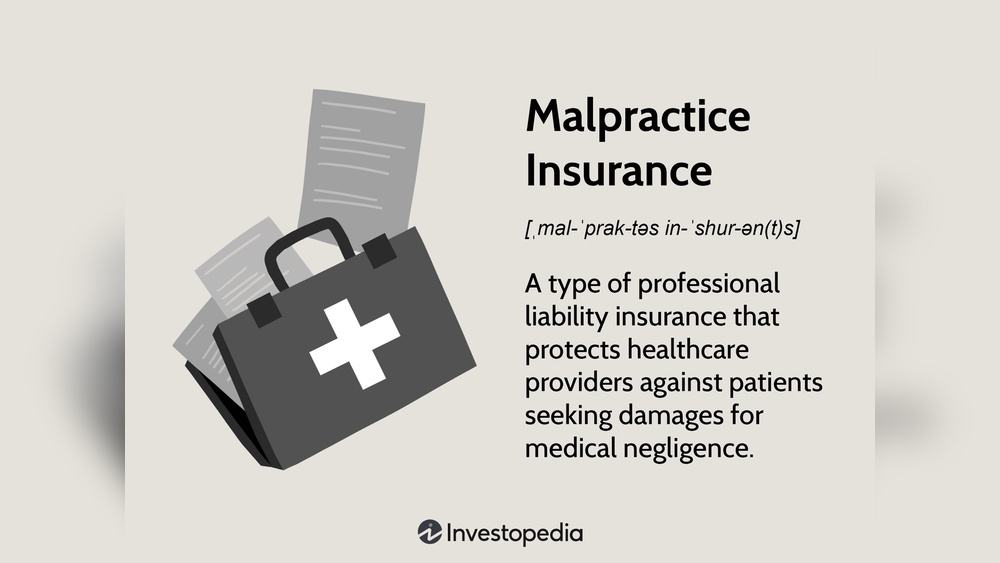
Malpractice insurance is crucial for healthcare providers. It protects them from legal claims due to mistakes or negligence. This insurance covers costs related to patient injury claims. It helps maintain financial stability and professional reputation. Healthcare providers can focus on patient care without constant worry about lawsuits.
Coverage Options For Physicians
Physicians face many risks during patient care. Malpractice insurance offers tailored coverage to meet their needs. It protects against claims of misdiagnosis, surgical errors, and medication mistakes. Policies often include legal defense costs and settlements. Physicians can choose coverage limits based on their specialty and practice size.
Protection For Physician Assistants
Physician assistants perform many medical tasks under supervision. They also need malpractice protection for their work. Insurance covers errors in diagnosis, treatment, or patient advice. This helps PAs avoid personal financial loss from lawsuits. Coverage options can be flexible to fit different job roles.
Support For Healthcare Systems
Healthcare systems face complex risks from multiple providers. Malpractice insurance helps manage these risks across the entire organization. It covers claims arising from doctors, nurses, and other staff. Systems benefit from risk management services included in many policies. This support reduces liability and improves patient safety.

Credit: www.iii.org
Coverage Portability And Policy Features
Professional malpractice coverage offers protection tailored to the needs of professionals. Understanding the portability and features of these policies helps you maintain continuous protection. This section explains key aspects that affect coverage and claims management.
Individual Coverage Portability
Individual coverage portability means your insurance follows you. It stays active even if you change jobs or locations. This feature is crucial for professionals who move between employers or work independently. Portability ensures no gaps in protection during career transitions.
Claims-made Vs. Occurrence Policies
Claims-made policies cover claims reported during the policy period. They require continuous coverage to avoid gaps. Occurrence policies cover incidents that happen while the policy is active, no matter when reported. Each type affects how and when you file claims. Choosing the right one depends on your work and risk level.
Tail Coverage Importance
Tail coverage extends protection after a claims-made policy ends. It covers claims filed later for past work. Without tail coverage, professionals face risks if a claim arises after policy cancellation. Tail coverage is essential for those retiring or switching insurance providers.
Choosing The Right Malpractice Insurance
Choosing the right malpractice insurance is a crucial step for professionals. It protects against claims of negligence or mistakes during service. The right coverage gives peace of mind and safeguards your career. Selecting a plan that fits your specific needs requires careful thought and research.
Assessing Professional Risks
Start by understanding the risks in your profession. Different fields face unique challenges and liabilities. Identify common claims and potential damages related to your work. This helps in selecting coverage that truly protects your practice. Consider your work environment and client interactions too.
Evaluating Policy Limits
Policy limits define the maximum amount an insurer will pay. Choose limits that match the potential cost of claims. Too low limits may leave you exposed to large out-of-pocket expenses. Balance between affordable premiums and sufficient protection. Review limits regularly as your career and risks evolve.
Comparing Insurance Providers
Not all insurance companies offer the same benefits or service. Compare providers based on reputation, claims handling, and customer support. Look for financial stability and experience in your professional field. Check reviews and ask peers for recommendations. A reliable insurer makes a big difference during claims.
Credit: www.gallaghermalpractice.com
Legal Implications Of Malpractice Claims
Malpractice claims bring serious legal risks for professionals. These claims often lead to lawsuits that challenge a professional’s conduct. Understanding the legal implications helps professionals prepare and protect their careers. Legal issues can affect reputation, finances, and licenses. Malpractice coverage plays a key role in handling these challenges.
Common Grounds For Litigation
Litigation usually arises from alleged negligence or errors. Clients may claim a failure to meet accepted standards. Breach of duty and misrepresentation also trigger lawsuits. Errors causing financial loss or injury are common bases. Each case varies but centers on harm caused by professional acts.
Impact On Professional License
Malpractice claims can threaten a professional license. Regulatory bodies review complaints for serious violations. A confirmed claim might lead to suspension or revocation. Even ongoing investigations can limit practice rights. Maintaining coverage helps in managing these risks effectively.
Role Of Legal Defense In Coverage
Legal defense is a crucial part of malpractice coverage. Insurers provide lawyers to defend against claims. Defense costs can be high without coverage. A strong defense reduces potential penalties and settlements. Coverage ensures access to legal support during litigation.
:max_bytes(150000):strip_icc()/malpractice-insurance-final-8fdaa2e3f7fe41ad9107b73e4d857c4e.png "Professional Malpractice Coverage: Essential Protection for Experts 4")
Credit: www.investopedia.com
Frequently Asked Questions
What Does Professional Malpractice Insurance Cover?
Professional malpractice insurance covers claims of negligence, errors, or omissions causing client injury or financial loss in professional services.
What Is Considered Professional Malpractice?
Professional malpractice occurs when a professional breaches their duty by providing substandard care, causing harm to a client or patient.
How Much Is A $1,000,000 General Liability Policy?
A $1,000,000 general liability policy typically costs between $400 and $1,500 annually. Prices vary by industry and location.
What Does Malpractice Insurance Not Cover?
Malpractice insurance does not cover intentional criminal acts, fraud, contract disputes, property damage, or general business liabilities.
Conclusion
Professional malpractice coverage protects you from costly legal claims. It helps cover expenses if a client or patient is harmed. Choosing the right coverage gives peace of mind in your profession. Always review policies carefully to ensure they meet your needs.
Stay informed and prepared to face any challenges confidently.