

Are you a Muslim student in the USA worried about how to fund your education without compromising your faith? Traditional student loans often come with interest rates that go against Islamic principles, making it hard for you to find a solution that aligns with your beliefs.
But what if there was a way to finance your studies with loans that are completely interest-free and Sharia-compliant? Islamic loans for students in the USA offer exactly that—helpful financial support designed to respect your values while covering tuition, books, and living expenses.
You’ll discover how these unique loan programs work, who qualifies, and where to find them so you can focus on what matters most: your education and future. Keep reading to unlock the path to halal funding that puts your needs first.
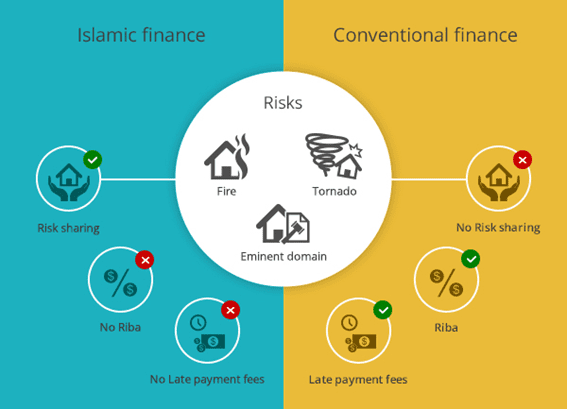
Credit: www.guidanceresidential.com
Islamic Student Loans In The Usa
Islamic student loans in the USA provide a financial option for Muslim students seeking education funding. These loans follow Islamic principles, avoiding interest charges and unfair profit. Several organizations offer such loans to help students pursue higher education without compromising their faith. The system supports students by providing funds that comply with Shariah law.
These loans are designed to be fair and ethical. They help cover tuition and other educational costs. Students can focus on studies without worrying about interest or debt increasing over time.
Shariah Compliance And Riba
Shariah law strictly forbids riba, or interest on loans. Islamic loans avoid this by not charging any interest. Instead, they operate on the principle of fairness and justice. This means no extra cost is added to the borrowed amount. The goal is to prevent exploitation and protect borrowers.
Islamic student loans in the USA ensure full compliance with these rules. They are carefully structured to meet religious requirements. This helps Muslim students feel secure and confident in their financial choices.
Interest-free Loan Principles
Interest-free loans operate on the concept of Qard Hasan, which means a good and benevolent loan. The borrower repays only the original amount borrowed. No additional fees or interest are charged. These loans are often funded by community donations and charitable organizations.
Repayments from one student help fund new loans for others. This cycle supports many students over time. It creates a sustainable system that benefits the entire community. Students receive help without the burden of growing debt.
Key Islamic Loan Providers
Islamic loans for students in the USA provide a valuable alternative to conventional loans. These loans follow Sharia law, which forbids charging interest. Several organizations offer such loans, ensuring students can afford education without compromising their beliefs. They rely on community support and donations to fund interest-free loans. Understanding key providers helps students find the right support for their studies.
A Continuous Charity (acc)
A Continuous Charity (ACC) offers interest-free loans to Muslim students. Their loans follow the Qard Hasan model, which means “goodly loan” without interest. ACC relies on donations from the community. Repaid loans help fund new loans for other students. Students usually receive loan payments directly for tuition and fees. ACC focuses on helping those with financial need and good academic standing.
Qard Hasan Foundation
The Qard Hasan Foundation provides no-interest loans to students nationwide. They focus on assisting Muslim students who cannot afford traditional loans. This foundation uses donated funds to support higher education. Students apply by showing their financial need and academic progress. Loan repayment terms are flexible to ease the student’s burden. The foundation’s goal is to keep education accessible and fair.
Education Ahmadiyya Usa
Education Ahmadiyya USA supports students with interest-free loans and scholarships. Their programs promote education within the Muslim community. The loans follow Islamic principles and avoid any form of interest. Applicants must demonstrate financial need and commitment to their studies. Repayments are recycled to help new students in the future. This organization encourages community growth through education.
Jafari No-interest Credit Union
Jafari No-Interest Credit Union offers Sharia-compliant financial services. It provides no-interest loans specifically for education expenses. The credit union operates on a cooperative model, owned by its members. It supports students by reducing financial stress linked to interest payments. Loans are repaid without additional charges, following Islamic teachings. This credit union serves as a trusted resource for Muslim students in the USA.
How Islamic Loans Operate
Understanding how Islamic loans operate helps students make informed choices. These loans follow Islamic finance principles, avoiding interest or “riba,” which is forbidden. The system is designed to be fair, ethical, and supportive for Muslim students in the USA. Below are key features explaining how these loans function.
Donation-based Funding Model
Islamic student loans use a donation-based funding model. Community members and donors provide funds to support students. These donations create a pool of money for interest-free loans. This approach ensures the loan system remains compliant with Islamic laws. It also builds a sense of community support and shared responsibility.
Direct Payment To Institutions
Loan funds are paid directly to educational institutions. This method prevents misuse of money and ensures funds go to tuition and fees. Students do not receive cash directly, reducing financial risk. Schools confirm costs and accept payments on behalf of students. This transparent process strengthens trust and accountability.
Loan Repayment And Recycling
Borrowers repay loans without interest over an agreed period. The repaid money is recycled to fund new student loans. This recycling keeps the loan fund sustainable and available to others. Timely repayment is important to maintain the cycle. This system supports many students without charging extra fees.
Eligibility Criteria
Islamic loans for students in the USA follow specific eligibility criteria. These criteria ensure the loan fits the purpose and respects Islamic principles. Meeting these requirements helps students access interest-free financial support. The main areas considered include citizenship, academic standing, community work, and financial need.
Citizenship And Residency
Applicants usually must be U.S. citizens or permanent residents. Some programs accept international students with valid visas. Residency in the state where the loan is offered can be necessary. This ensures the loan supports local or national students pursuing education.
Academic Performance
Good academic standing is important. Many lenders require a minimum GPA, often around 2.5 or higher. This shows the student is serious about their studies. Proof of enrollment in an accredited institution is also needed.
Community Engagement
Active participation in community or religious activities is valued. This reflects a student’s commitment to Islamic values and social responsibility. Volunteer work or involvement in Muslim organizations can strengthen the application.
Financial Need Assessment
Loans target students who demonstrate financial need. Applicants must provide documents showing family income and expenses. This helps lenders allocate funds to those who need support most. Transparency in finances is key to approval.
Application Process
Applying for Islamic loans as a student in the USA involves clear steps. The process is designed to be simple and supportive. Understanding each stage helps students prepare and submit their applications confidently.
The application process starts online. It requires careful attention to detail and timely submission. After the initial application, candidates may go through interviews and provide necessary documents. These steps ensure eligibility and compliance with Islamic finance rules.
Online Application Steps
Begin by visiting the official website of the Islamic loan provider. Create an account using your email and personal details. Fill out the application form carefully, entering accurate information about your education and finances.
Upload required documents such as ID proof, admission letter, and financial statements. Review all entries before submitting. Submit the application before the deadline to avoid delays. You will receive a confirmation email once your application is accepted.
Interviews And Documentation
After submitting your application, you may be invited for an interview. The interview can be in person or online. Prepare to explain your educational goals and financial needs clearly.
Gather all supporting documents like academic transcripts, proof of enrollment, and any letters of recommendation. Submit these documents as requested to complete your application. The loan committee reviews your materials carefully to ensure eligibility and compliance with Sharia law.
:max_bytes(150000):strip_icc()/islamicbanking.asp-FINAL-a44177c529d24b97a0a4e857d65253cf.png "Islamic Loans for Students in USA: Affordable, Shariah-Compliant Aid 3")
Credit: www.investopedia.com
Complementary Financial Aid Options
Students seeking Islamic loans in the USA have several financial aid options to explore. These options can work alongside Islamic loans to reduce the overall cost of education. Combining different aid sources helps students manage expenses better while respecting their faith.
Understanding these complementary aids can make the financial journey smoother and more affordable. Islamic loans often serve as a part of a wider financial plan, not the only source.
Federal Aid And Fafsa
Federal aid includes grants, work-study, and loans provided by the U.S. government. Students must fill out the FAFSA form to apply. FAFSA stands for Free Application for Federal Student Aid. It determines eligibility for federal funds based on financial need and other factors. Even students using Islamic loans should complete FAFSA to access federal benefits.
Scholarships And Grants
Scholarships and grants offer free money for education. These do not require repayment. Many organizations provide scholarships specifically for Muslim students or those following Islamic principles. Grants may come from schools, charities, or government programs. Applying early increases chances of winning these awards. Students should search for options that match their background and field of study.
Using Islamic Loans As Last Dollar Aid
Islamic loans work well as last dollar aid. This means students use scholarships, grants, and federal aid first. Islamic loans cover any remaining costs. This method reduces the loan amount and limits repayment burden. It respects Islamic rules by avoiding unnecessary borrowing. Planning financial aid in this order helps students stay within budget and faith guidelines.
Challenges And Considerations
Islamic loans for students in the USA offer a unique way to finance education without interest. These loans follow Sharia law, which forbids charging or paying interest. While the concept is appealing, there are challenges and key points to consider for students seeking such financial aid.
Limited Availability And Eligibility
Islamic student loans are not widely available across the country. Only a few organizations provide these interest-free loans. Eligibility rules can be strict. Students may need to prove financial need, academic performance, or community ties. Many programs prioritize U.S. citizens or residents. This limits access for some students who might benefit the most.
Sustainability Of Donation Models
Most Islamic loans for students depend on donations. Community members donate money to fund the loans. When students repay, the funds recycle to help others. This model faces sustainability challenges. If donations slow down, fewer loans can be offered. Economic downturns or less community support can affect the fund’s health. Maintaining steady donations is essential to keep the program running.
Balancing Aid With Other Financial Resources
Students often need more support than one loan can provide. Islamic loans should be part of a bigger financial plan. Combining scholarships, grants, and part-time work helps cover total costs. Relying solely on Islamic loans might not meet all expenses. Students must explore multiple aid sources to avoid financial gaps during their studies.

Credit: growislamic.com
Frequently Asked Questions
Do Islamic Banks Give Student Loans?
Islamic banks generally do not offer student loans due to interest prohibition (riba). Instead, interest-free loans come from Islamic charities and nonprofit organizations. These loans follow Sharia law, are funded by donations, and often require US citizenship, academic merit, and financial need for eligibility.
Can I Get A Student Loan In Islam?
Muslim students can access interest-free loans called Qard Hasan from Islamic charities in the USA. These comply with Sharia law by avoiding riba (interest). Eligibility often requires US citizenship, academic merit, community involvement, and financial need. Conventional loans charging interest are not permissible in Islam.
Is There Any Islamic Loan Without Interest For Students?
Yes, some Islamic organizations offer interest-free student loans called Qard Hasan. These loans follow Sharia law and help finance education without charging interest. Eligibility often requires U. S. residency, academic merit, community involvement, and financial need. Examples include A Continuous Charity (ACC) and the Qard Hasan Foundation.
What Is The Islamic Charity For Student Loans?
Islamic charity student loans, like Qard Hasan, offer interest-free funding to Muslim students. Eligibility includes U. S. residency, academic merit, community involvement, and financial need. These loans rely on donations and repay loans to assist others, covering tuition and education costs without charging interest.
Conclusion
Islamic loans for students in the USA offer a helpful way to pay for education. These loans follow Sharia law by avoiding interest charges. Many programs depend on donations to provide interest-free funds. Students must meet criteria like citizenship, academic performance, and community involvement.
These loans pay tuition and other school costs directly. Choosing an Islamic loan can ease financial stress while respecting religious beliefs. Students can focus more on studies and less on debt worries. This option makes higher education more accessible for many Muslim students in the USA.